Font Licensing for Video Games: What Developers Need to Know
Unsure which font license you need for a video game? Learn the difference between Desktop and App Licenses and how fonts can be used in games.
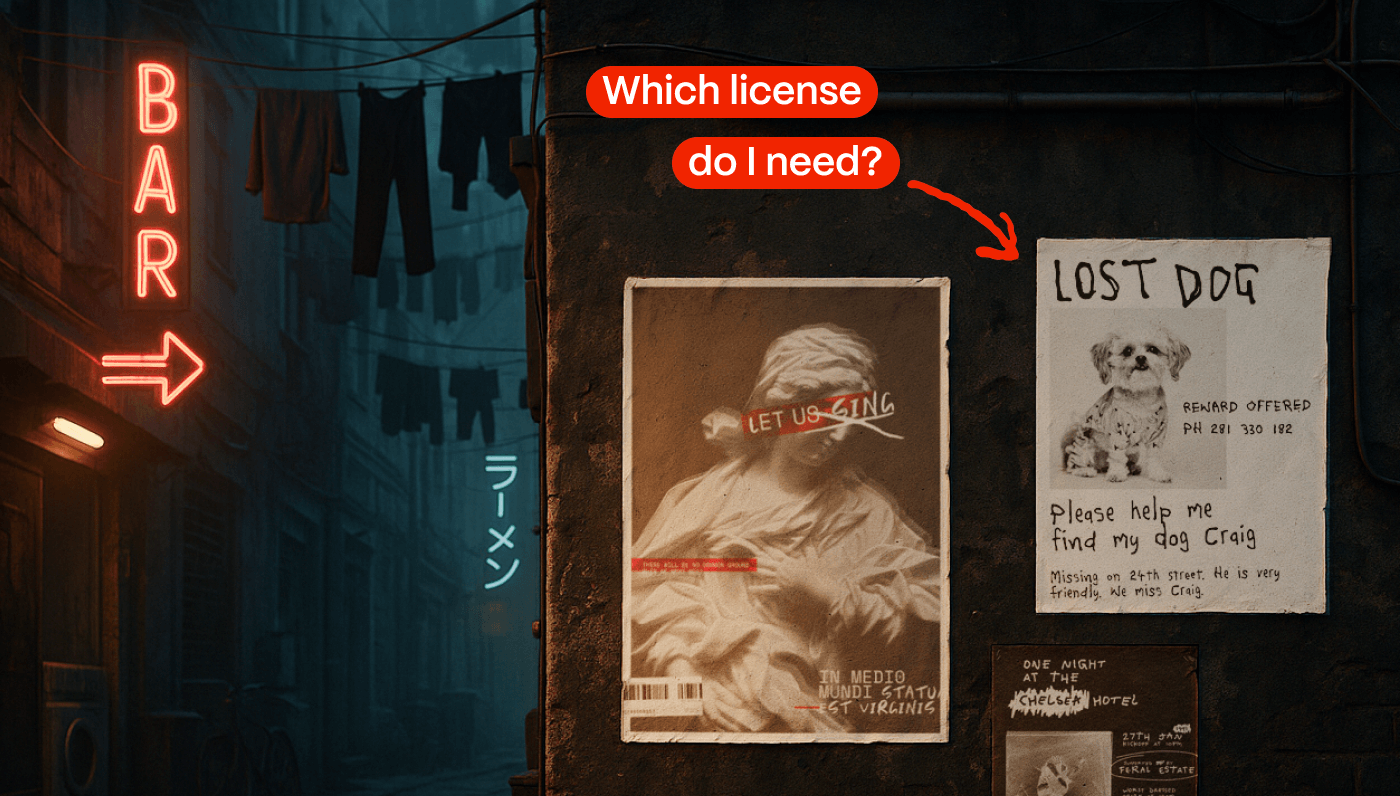
Got your eye on a font for your new video game? Fonts can absolutely be used in games, but the license you need depends on how the font is used and how it’s distributed inside the game.
This is where most confusion creeps in. Game development sits somewhere between design, software and media and font licensing treats each of those a little differently.
This guide explains how font licensing works for video games, which license applies to different in-game uses and how to make sure you’re covered before release.
Can You Use Fonts in Video Games?
Yes. Typeheist fonts can be used in video games under the right license.
What matters most is whether the font file itself is included in the game or whether the text is converted into static images.
Here’s the short version:
- If the font file is embedded in the game or used dynamically, you’ll need an App License.
- If all text is baked into images or textures and the font file isn’t included, a Desktop License may be enough.
If the font ships with the game, assume you need an App License.
Desktop License vs App License for Video Games
One of the most common mistakes developers make is assuming a Desktop License will cover their game. In many cases, an App License is required.
A Desktop License only covers static output. Video games are software. If the font is embedded in the game or rendered dynamically at runtime, a Desktop License isn’t enough.
Here’s a simple breakdown.
| Usage in game | Required license |
|---|---|
| Text baked into images or textures | Desktop License |
| Font file embedded in the game | App License |
| Runtime text rendering | App License |
| Player-entered or dynamic text | App License |
| UI generated from font data | App License |
If the font file ships with the game, assume you need an App License.
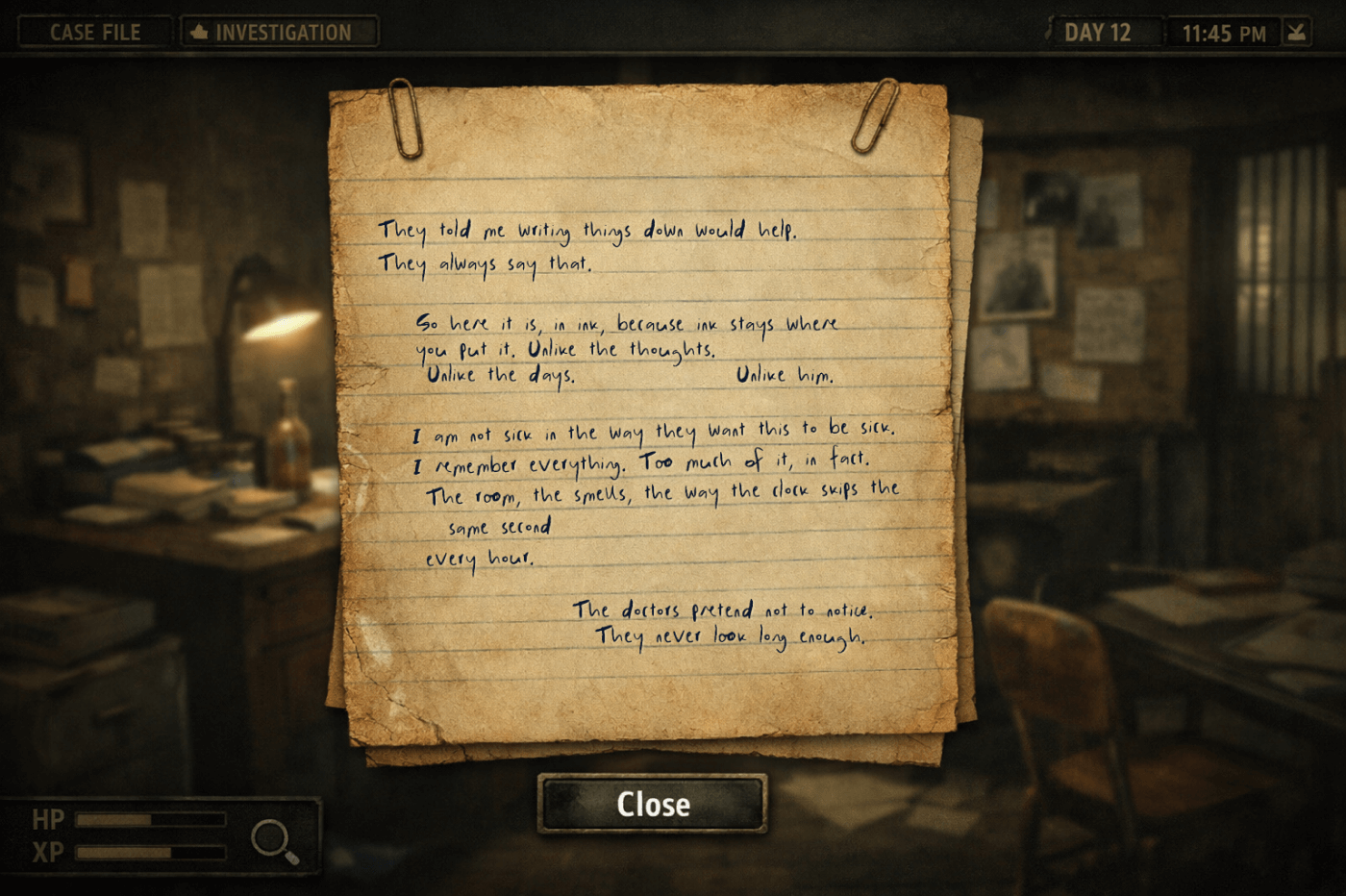
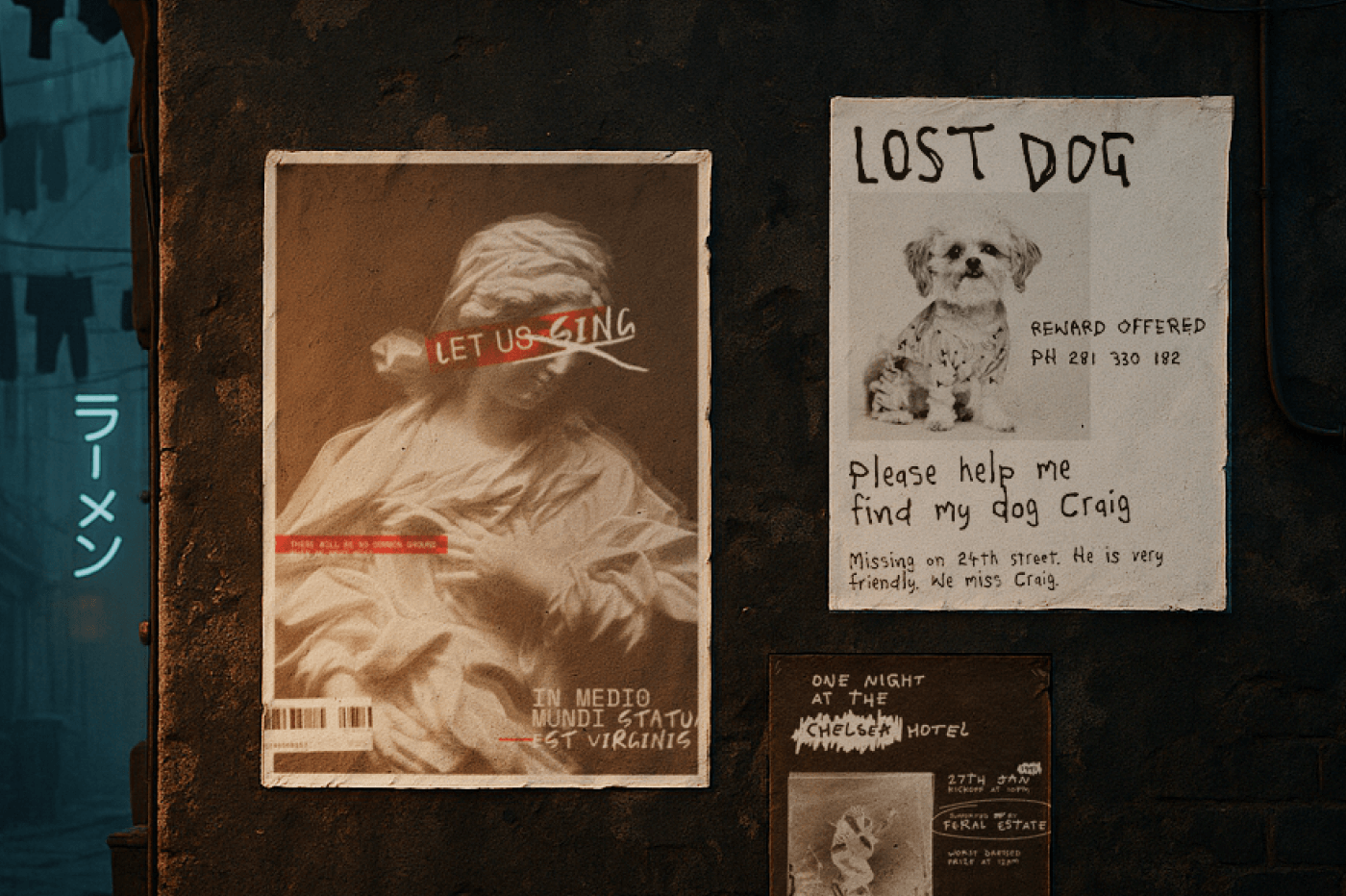
Shown: Manic handwritten font
How Fonts Are Used in Video Games
Fonts are typically used in games in one of three ways.
1. Rasterised text (images or textures)
This is when text is converted into:
- PNGs
- Sprites
- Texture atlases
- UI images baked at export
The font file is not included in the game and cannot be extracted.
This usage is usually covered by a Desktop License, provided your distribution stays within the Desktop License limits.
2. Embedded fonts (runtime text)
This is when the game:
- Loads the font file at runtime
- Renders text dynamically
- Allows text to change based on language, player input or game state
This includes:
- UI text rendered from a font file
- Dialogue text
- Menus and HUDs generated in-engine
This requires an App License, because the font is functioning as part of the software.
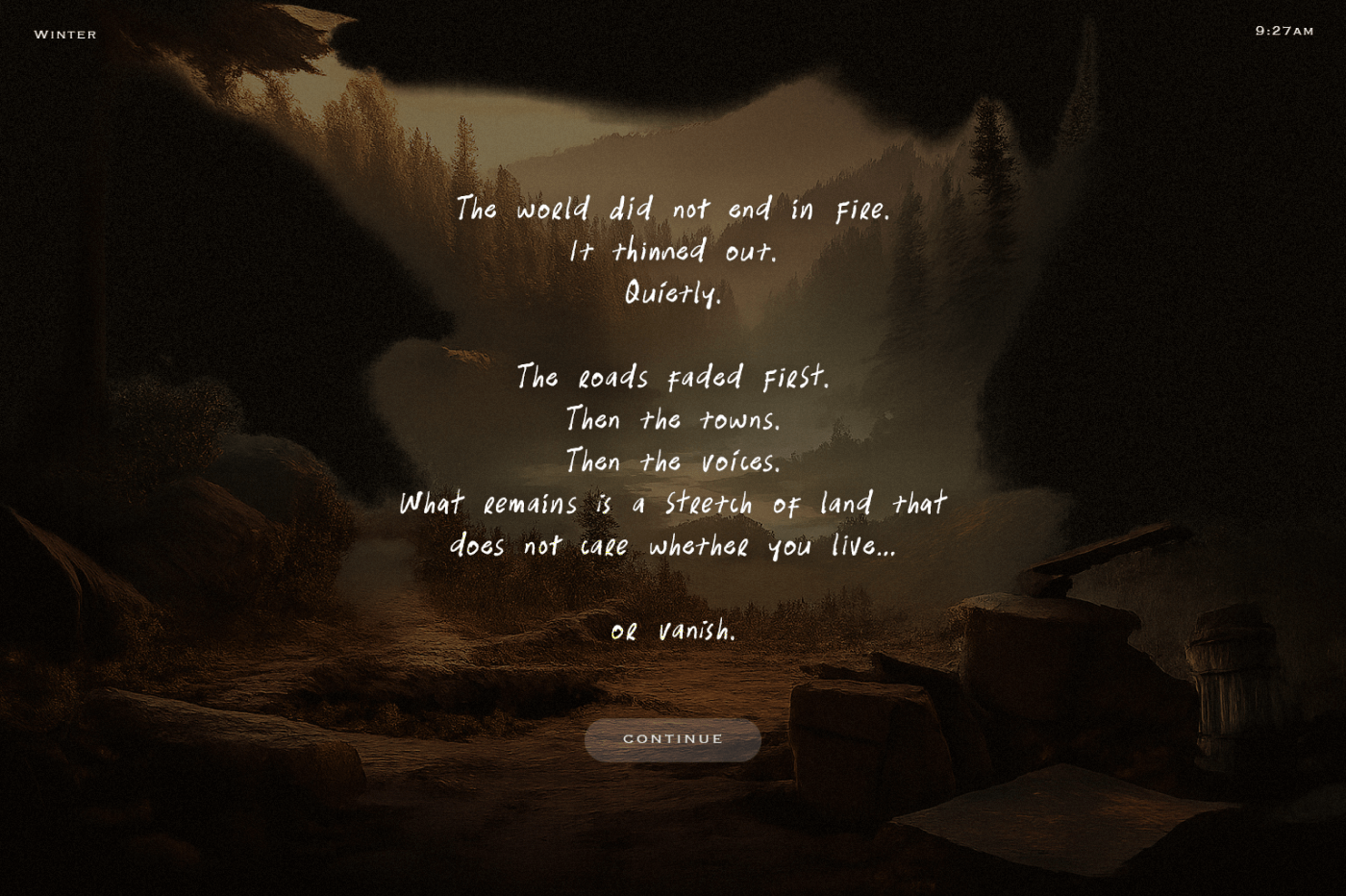
Shown: Infamous font
3. Player-generated or editable text
If players can:
- Enter custom text
- Name characters
- Create signs, messages or content using the font
This is still considered embedded font usage.
An App License is required because the font is actively used inside the game.
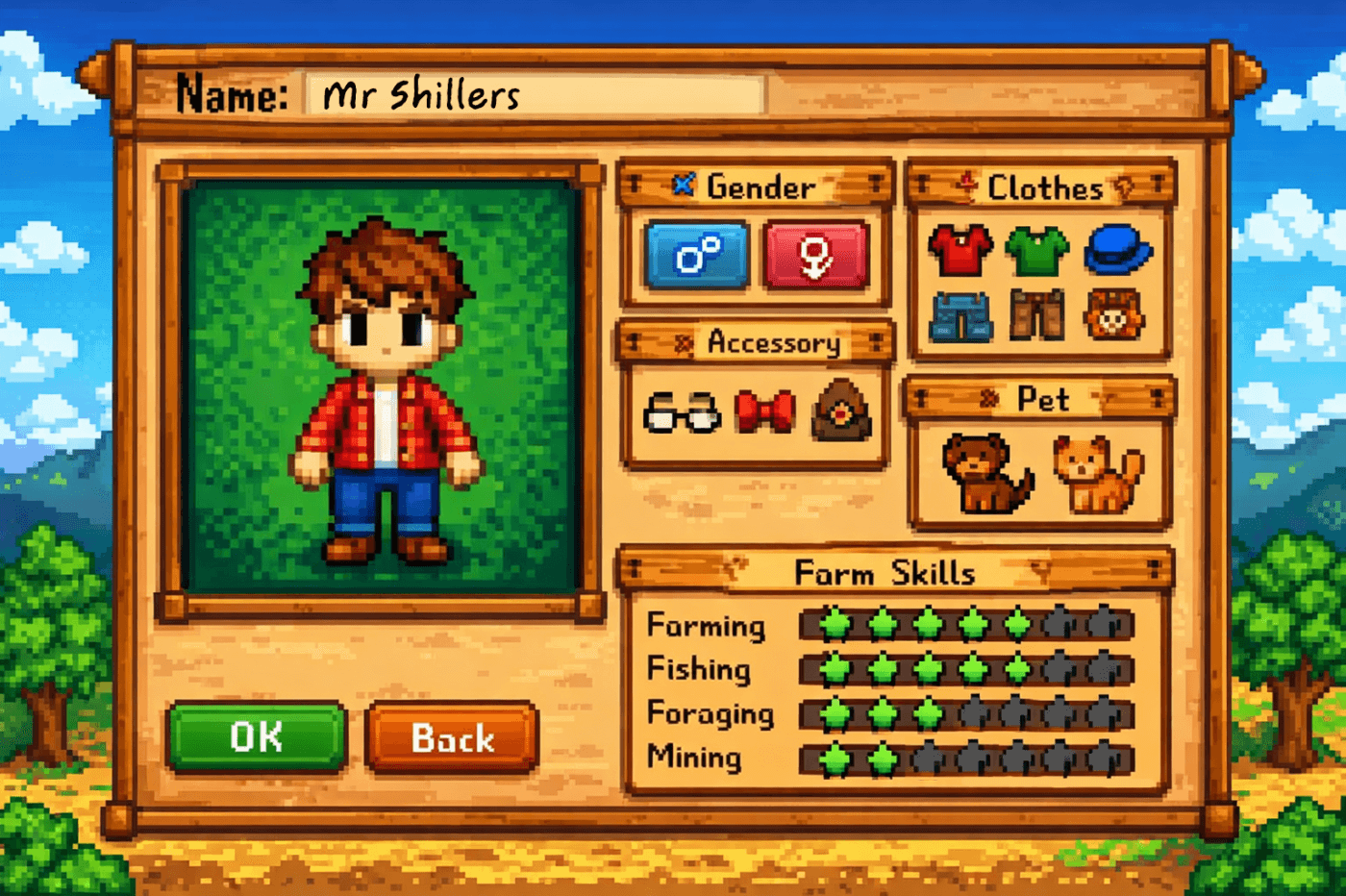
Shown: Naturalist font
What about using fonts in game marketing?
Marketing materials are considered desktop output, not in-app usage.
If you have a Desktop License, you can use the font in marketing materials for your game, including:
- Game logos
- Steam page assets
- Store screenshots
- Trailers
- Social media graphics
- Promotional artwork
If you only have an App License, this covers the font’s use inside the game itself, but not the creation of marketing assets or desktop design work. In that case, a separate Desktop License is required for marketing use.
Can One App License Be Used for Multiple Games?
No.
An app license covers one game title.
If you plan to use the same font across multiple games or separate projects, you’ll need a separate app license for each title.
Ports, remasters or major spin-offs may also require a new license depending on scope.
What About Mods and Modding Support?
If your game allows modders access to the font file or allows the font to be reused outside the original game environment, this will require additional permission or a custom license. Standard licenses don’t allow font files to be shared.
If modding is part of your plan, it’s best to clarify this before release.
Before You Release:
Font licensing for video games sounds complicated, but it mostly comes down to one thing.
For Typeheist fonts, if the font is embedded in the game or used dynamically, you’ll need an App License.
Static, baked-in text may be covered by a Desktop License, but many modern games rely on runtime text rendering which requires an App License.
Keep in mind that licensing terms vary between foundries. Always check the specific license for any font you’re purchasing, even if the usage looks similar.
If you’re unsure which license applies to your game, get in touch before release. It’s always easier to do it properly from the start.
Happy gaming,
Laura
Keep reading
View all articles →
12 Brands That Use Handwritten Type Beautifully
While many modern typefaces aim for precision and perfection, handwriting embraces small imperfections. Here are twelve brands that use handwritten fonts beautifully, and why their approach works.
Read on →
15 messy handwritten Halloween fonts
From jittery brush strokes to scratchy marker lines, we’ve curated 15 of our favourite spooky, messy and hand-crafted fonts to inspire your Halloween designs.
Read on →

